
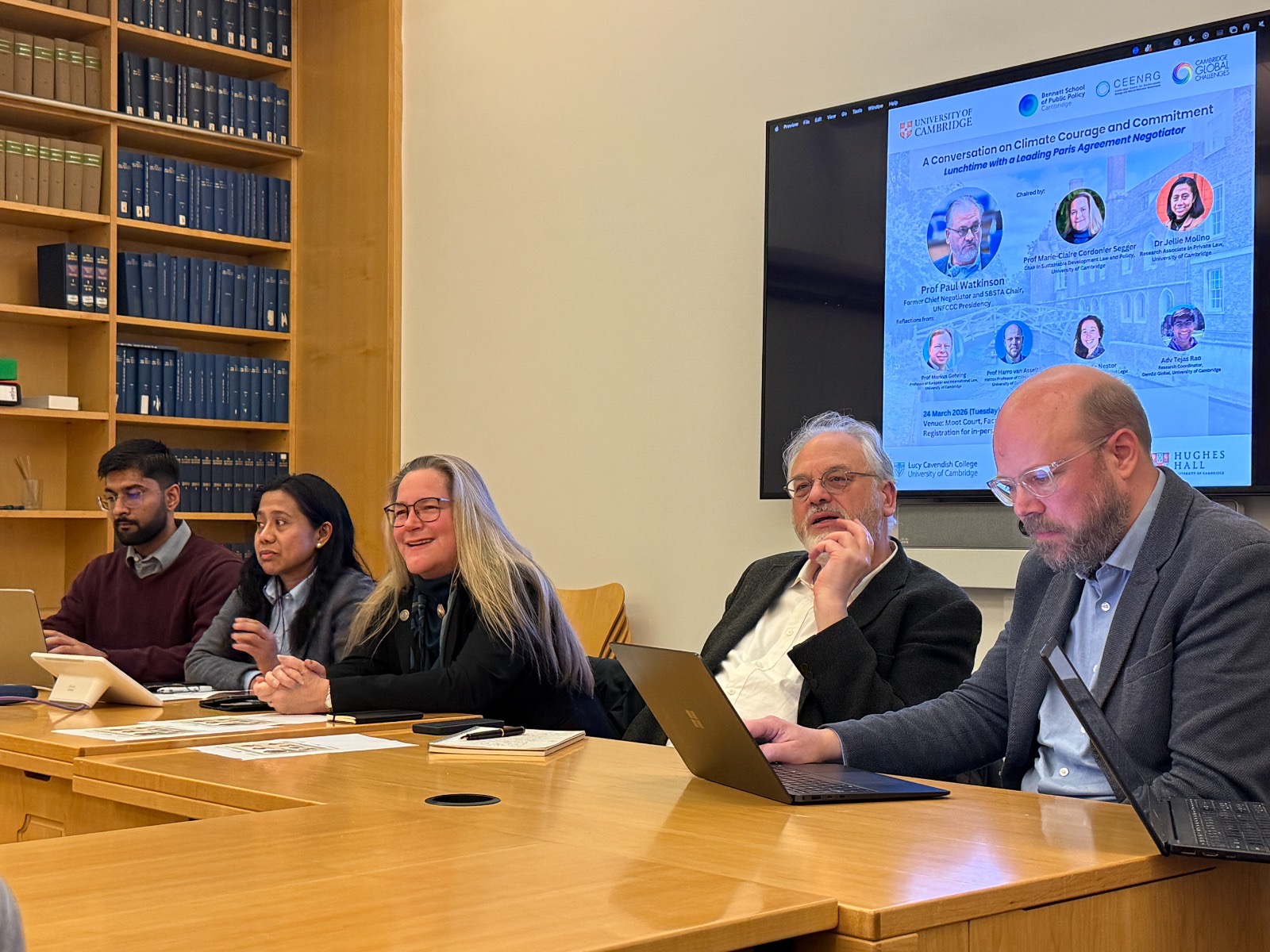
 How was the Paris Agreement negotiated behind closed doors? What enabled governments with profoundly different interests to reach consensus in 2015? And, amid growing geopolitical tensions, can multilateral climate diplomacy continue to deliver?
These questions formed the focus of a special Cambridge roundtable hosted by the Climate Law and Governance Initiative (CLGI) and the Centre for International Sustainable Development Law (CISDL), featuring Prof Paul Watkinson, one of the principal architects of the Paris Agreement and former Chief Climate Negotiator for France.
Held at the Faculty of Law, University of Cambridge, the discussion brought together researchers, students and practitioners for an in-depth conversation on the evolution of international climate governance over the past decade, the diplomatic architecture that made the Paris Agreement possible, and the challenges facing implementation as the international landscape becomes increasingly fragmented.
Opening the event, Professor Marie-Claire Cordonier Segger welcomed participants and reflected on the unique opportunity to hear directly from one of the negotiators who helped shape the Paris Agreement. She noted that the discussion would explore not only the legal architecture of the Agreement itself, but also “what it was like to be drafting it, how difficult it actually was to get consensus, [and] what’s happening now as the headwinds mobilise against us.”
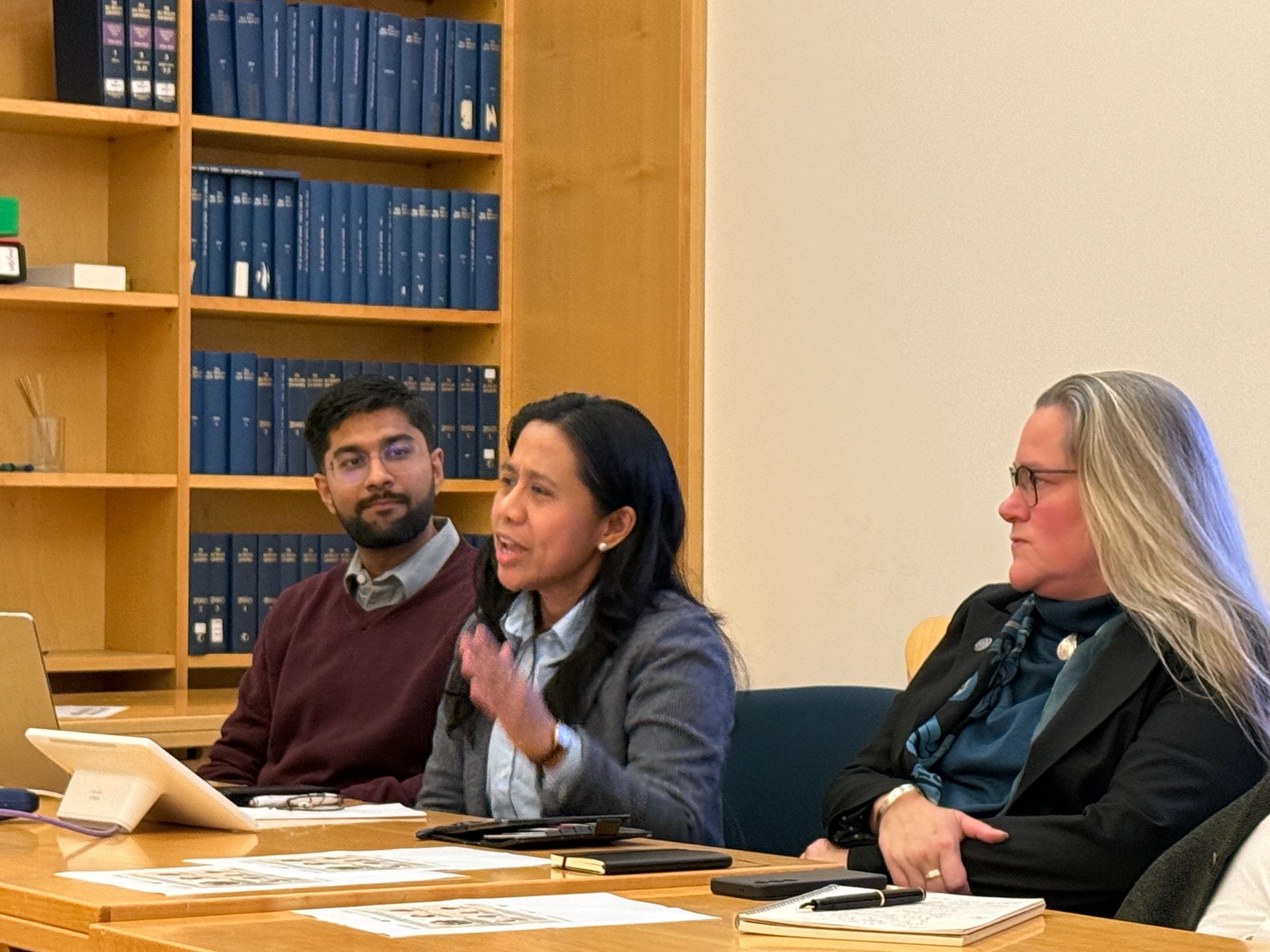
Co-chair Dr Jellie Molino introduced Mr Watkinson by highlighting his long-standing contributions to international climate diplomacy, including his role as France’s Chief Climate Negotiator during COP21 and his leadership within the UNFCCC process. She described him as one of the individuals whose work helped shape the Paris Agreement that now underpins global climate action.
Beginning his keynote remarks, Mr Watkinson reflected on the significance of the tenth anniversary of the Paris Agreement. Rather than treating the Agreement as a settled historical achievement, he encouraged participants to revisit the political circumstances that made its adoption possible.
“The main thing about it,” he observed, “is we could say it’s done ten years ago, but getting that agreement was far from straightforward.”
He recalled that the negotiations succeeded not simply because governments recognised the urgency of climate change, but because an unusual convergence of political conditions created space for compromise. Among the most significant factors, he explained, was the existence of a United States administration that accepted the scientific reality of climate change, alongside a relationship between the United States and China that, while far from uncomplicated, remained grounded in sustained diplomatic dialogue rather than strategic confrontation.
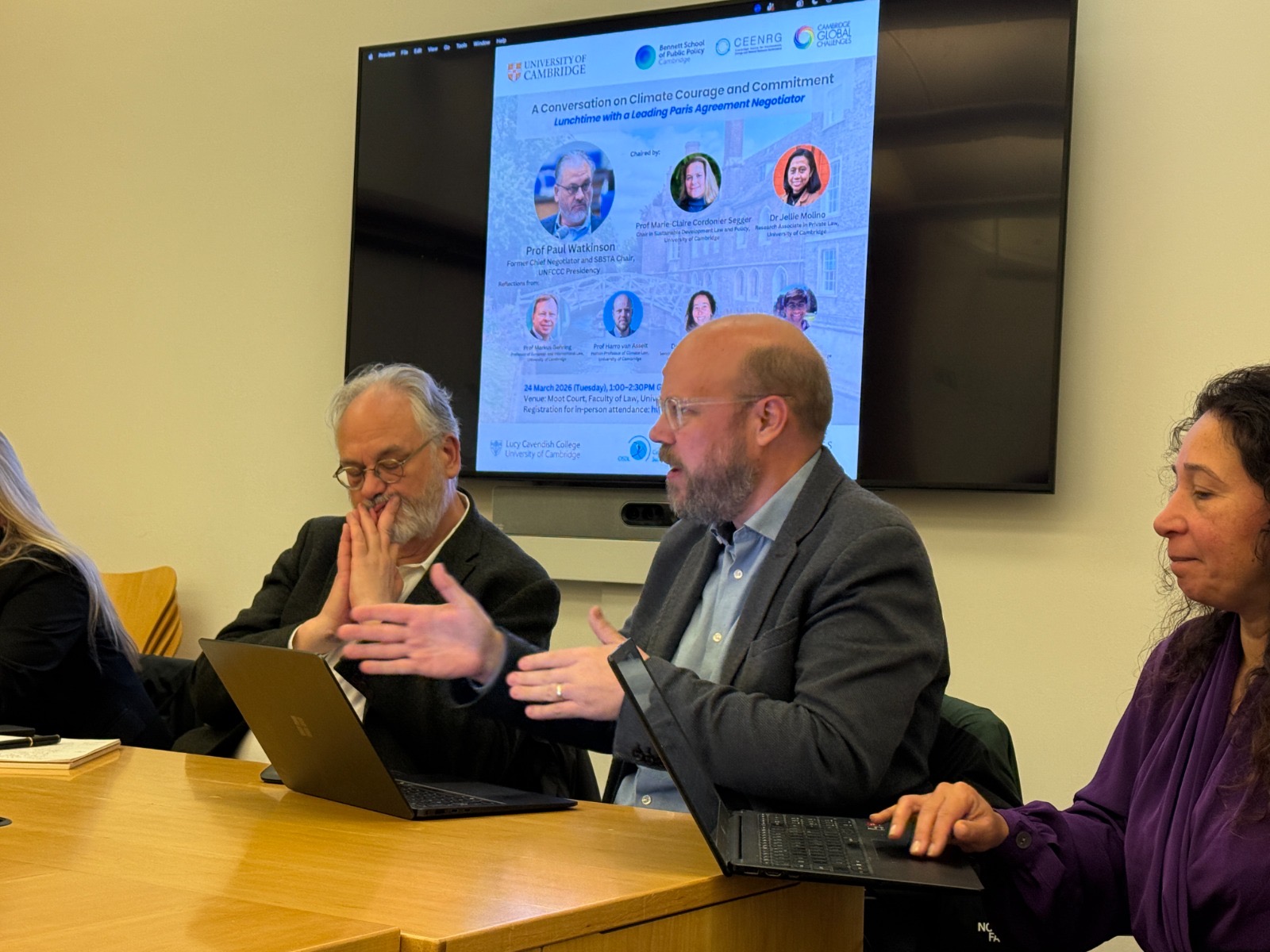
Drawing on his experience leading the French negotiating team, Mr Watkinson offered a rare glimpse into the practical realities of climate diplomacy. Negotiations frequently involved intensive engagement with major parties, careful comparison of differing accounts of bilateral discussions, and continual efforts to identify areas where consensus might still emerge despite significant political differences. These experiences underscored that successful multilateral negotiations depend not only on legal drafting, but also on trust, persistence and an institutional commitment to dialogue.
His reflections provided an important reminder that international environmental agreements do not emerge automatically from scientific consensus or legal necessity. They are the product of painstaking diplomacy, sustained political leadership and an ability to reconcile competing national interests within a common legal framework.
As the global community now prepares for the next phase of Paris Agreement implementation amid increasing geopolitical uncertainty, Mr Watkinson’s insights offered both historical perspective and timely guidance. Understanding how consensus was achieved in 2015, he suggested, remains essential for preserving and strengthening the multilateral institutions upon which future climate action depends.
The discussion continued with reflections on the changing geopolitical environment, the evolution of the UNFCCC negotiations since Paris, and the prospects for maintaining international cooperation in an era of increasing strategic competition. These themes remain central to the work of the Climate Law and Governance Initiative as it continues to support legal scholarship, judicial dialogue and practical cooperation to advance implementation of the Paris Agreement and sustainable development worldwide.
To listen to various experts’ opinion on the future of climate diplomacy, please watch this video.